Bullocks Pippin
Apple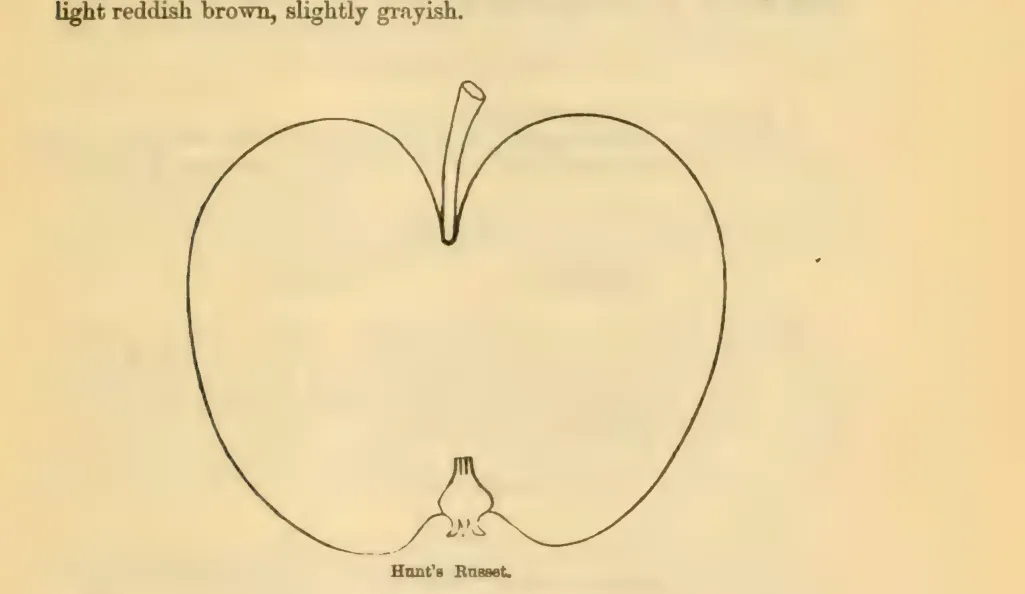
Bullocks Pippin
Origin / History
Bullocks Pippin is a native American apple originating in Burlington County, New Jersey (Coxe, 1817). The variety derives one of its names from the family of Bullock, but according to Coxe was more generally distinguished by "the vulgar name of Sheep-nose, from a supposed resemblance between the form of the apple and that part of a sheep." Coxe also notes it is sometimes called the Long Tom. Elliott (1865) classifies it as American, well suited to rich soils of Southern Ohio, Indiana, and the South-west.
Tree
Coxe describes the tree as handsome, with a round and regular top, and dark, luxuriant foliage; he characterizes it as "a great and constant bearer." Elliott describes the tree as "ultimately of only medium size, with a round regular head, shoots erect, rather slender," admirably suited to rich soils of Southern Ohio, Indiana, the South-west, etc. The Central Experimental Farm (1900) reports the tree as "a vigorous grower" (planted Spring 1896 at Agassiz, BC).
Fruit
Size: Sources disagree on size. Coxe (1817) states the fruit is "below middling." Elliott (1865) gives "small to medium." The Central Experimental Farm (1900) reports "above medium size." Lowther (1914) records the size as "large."
Form: Coxe describes the form as "that of a heart, pointed towards the crown." Elliott gives "roundish ovate, tapering much toward the eye." The Central Experimental Farm describes it as "roundish, tapering slightly to the eye." Lowther codes the form as "re" (roundish).
Stem / Stalk: Coxe: "the stalk short." Elliott: "stem, slender."
Cavity: Elliott: "narrow, regular." (Other sources do not describe.)
Calyx: Elliott: "small, closed." (Other sources do not describe.)
Basin: Elliott: "shallow, sometimes furrowed." (Other sources do not describe.)
Skin / Color: Coxe describes the skin as "yellow, inclining to a russet." Elliott notes regional variation: "Grown South, the fruit is almost entirely covered with russet; North, on sandy soils, it is a warm, rich yellow, with only marblings of russet," and summarizes the color as "generally rich golden yellow, overspread with soft russet, and in sun, a marbling of red." The Central Experimental Farm reports "greenish yellow, with a golden russet." Lowther codes the color as "yellow-red."
Flesh / Flavor: Coxe: "the flesh is yellow, rich, juicy, tender and sprightly." Elliott: "yellowish, tender, juicy, almost buttery, delicate, sprightly." Central Experimental Farm: "yellowish, tender, juicy, with a mild rich flavour, quality very good." Lowther rates quality as "best."
Core / Seeds: Elliott: "core, large for size of fruit; seeds, full, ovate pyramidal." (Other sources do not describe.)
Season
Coxe places it among the finest apples in New Jersey "in the autumn and early winter months." Elliott gives "December to March" generally, and "November to January, South." Central Experimental Farm reports "November to March." Lowther codes the season as "i."
Uses
Coxe: "an excellent cider apple, and when baked, is the best apple I am acquainted with." Lowther: "use both kitchen and market." Other sources do not describe specific uses.
Subtypes / Variants
Not described in source.
Other
Lowther (1914) records geographic distribution: Northern Division 4*, Central Division 12*, Southern Division 1* (all with the notation "variety reported in more than one division").
Book Sources
Described in 4 period pomological works
- Coxe, A View of the Cultivation of Fruit Trees (1817) — listed as Bullocks Pippin, Or Sheep Nose
- Elliott, The Western Fruit Book (1865) — listed as Bullock's Pippin
- Lowther (ed.), Encyclopedia of Practical Horticulture (1914) — listed as Bullock's Pippin
- Thomas, The American Fruit Culturist (1903) — listed as Bullock's Pippin
View original book sources (5)
— William Coxe, A View of the Cultivation of Fruit Trees (1817)NO. 40. BULLOCKS PIPPIN, OR SHEEP NOSE.
This is one of the finest apples in New-Jersey, in the autumn and early winter months. In size it is below middling—the skin is yellow, inclining to a russet; the flesh is yellow, rich, juicy, tender and sprightly; it is an excellent cider apple, and when baked, is the best apple I am acquainted with—the form is that of a heart, pointed towards the crown; the stalk short; the tree handsome, the top round and regular, the foliage dark and luxuriant—a great and constant bearer—it is a native of Burlington county New-Jersey—it is sometimes called the Long Tom; it derives one of its names from the family of Bullock, but is more generally distinguished by the vulgar name of Sheep-nose, from a supposed resemblance between the form of the apple and that part of a sheep.
— F.R. Elliott, The Western Fruit Book (1865)BULLOCK'S PIPPIN.
American Golden Russet, Sheepnose,
Golden Russet, * Little Pearmain,
Hunt's Russet, Fall Winesap, erroneously.
American. Tree, ultimately of only medium size, with a round regular head, shoots erect, rather slender, admirably suited to rich soils of Southern Ohio, Indiana, the South-west, etc., etc. Grown South, the fruit is almost entirely covered with russet; North, on sandy soils, it is a warm, rich yellow, with only marblings of russet.
Size, small to medium; form, roundish ovate, tapering much toward the eye; color, generally rich golden yellow, overspread with soft russet, and in sun, a marbling of red; stem, slender; cavity, narrow, regular; calyx, small, closed; basin, shallow, sometimes furrowed; flesh, yellowish, tender, juicy, almost buttery, delicate, sprightly; core, large for size of fruit; seeds, full, ovate pyramidal. December to March. November to January, South.
— John J. Thomas, The American Fruit Culturist (1903)Little Pearmain. See Bullock's Pippin.
— Granville Lowther (ed.), Encyclopedia of Practical Horticulture (1914)Bullock's Pippin (3): size large; form re; color yellow-red; quality best; use both kitchen and market; season i; Northern Division 4* (variety reported in more than one division), Central Division 12* (variety reported in more than one division), Southern Division 1* (variety reported in more than one division).
— Central Experimental Farm, Central Experimental Farm, Agassiz BC — Catalogue of Fruit Trees under Test (Bulletin No. 3, 1900) (1900)Planted Spring 1896. Tree a vigorous grower. Fruit above medium size, roundish, tapering slightly to the eye. Skin greenish yellow, with a golden russet. Flesh yellowish, tender, juicy, with a mild rich flavour, quality very good. Season November to March.